Project Duration: July to August 2023
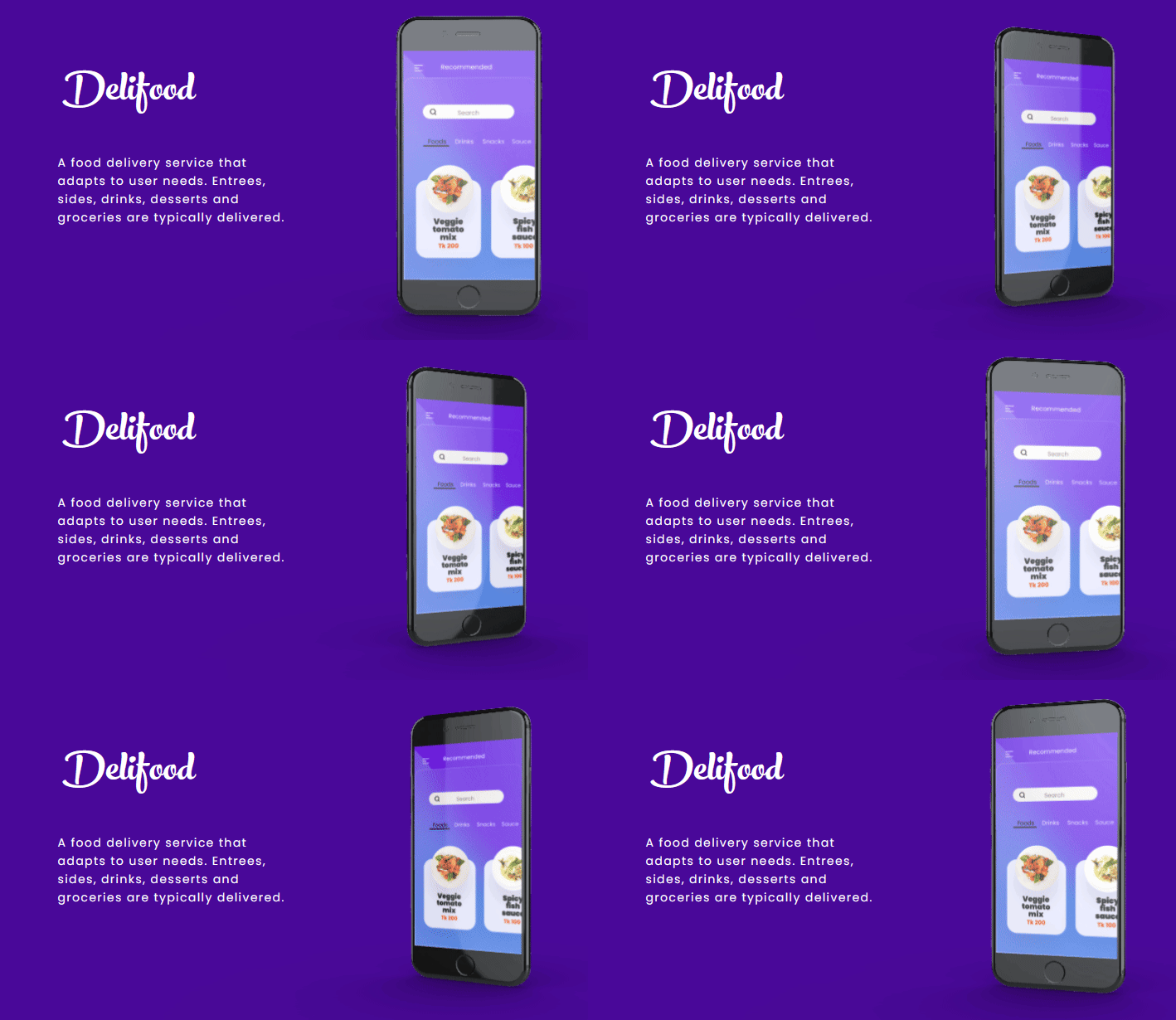
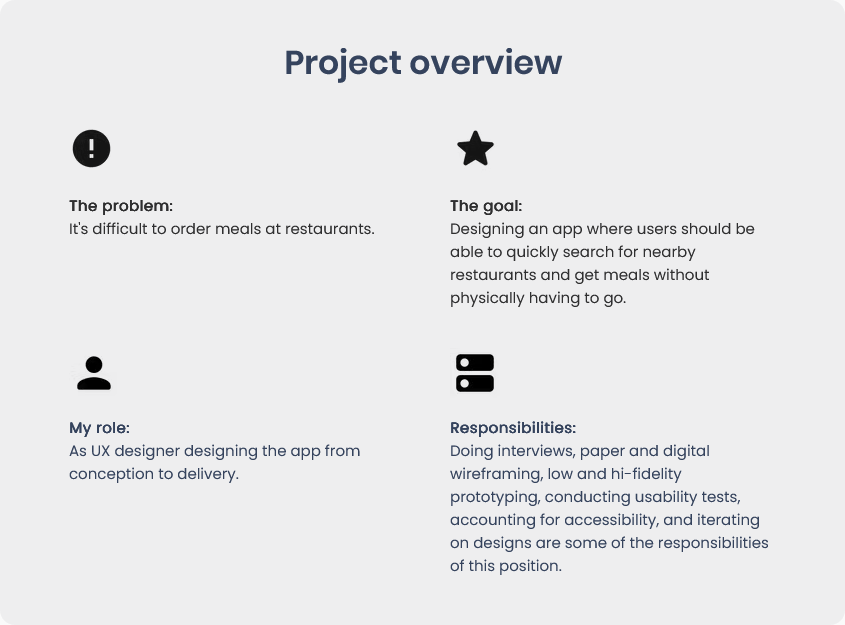
The Product: Delifood is a food delivery app located in the city. Quick food, special specials, and discounts are all part of the company’s mission. A broad variety of foods are available at a reasonable charge. From youths to elders, the app caters to those who are short on time and don’t have time to go out and buy food.
Understanding the user
User research: As part of my research, I conducted interviews and built empathy maps to better understand the customers I’m creating for. Working adults who don’t have time to go to the shop were identified as the major user group.
Researchers found that while time was a major barrier to buying from home, it wasn’t the only issue that kept people from doing so. Also, the user’s commitments, hobbies, or obstacles make it tough to obtain customized meal order.
Pain points
- Time: Adults are too busy with their jobs to make the trip to the grocery shop.
- Accessibility: Buying from local retailers is not as convenient as ordering from the Internet.
- Information Architecture: Apps with content menus might be difficult to navigate and purchase from.
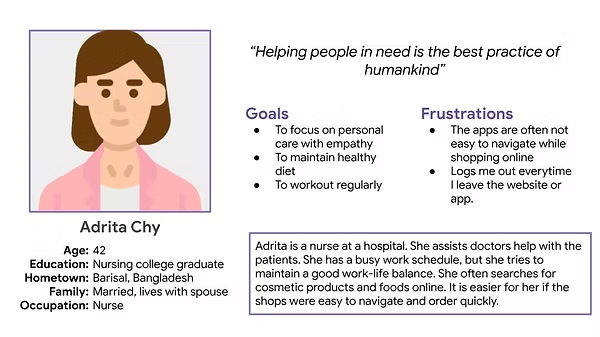
Problem statement: Adrita is a busy professional and nurse who needs to easily buy groceries online as she doesn’t get time to buy from stores.
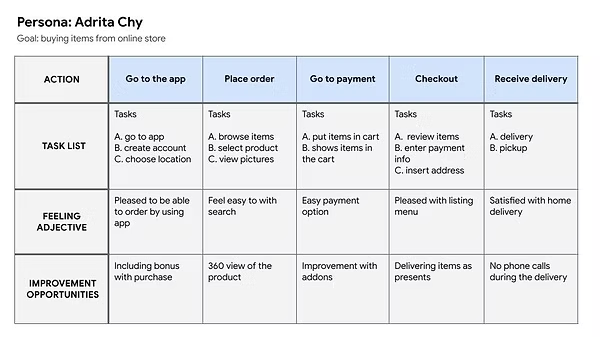
User journey map: Mapping Adrita’s user journey revealed how helpful it would be for users to have access to a the app to order online.
Starting the design
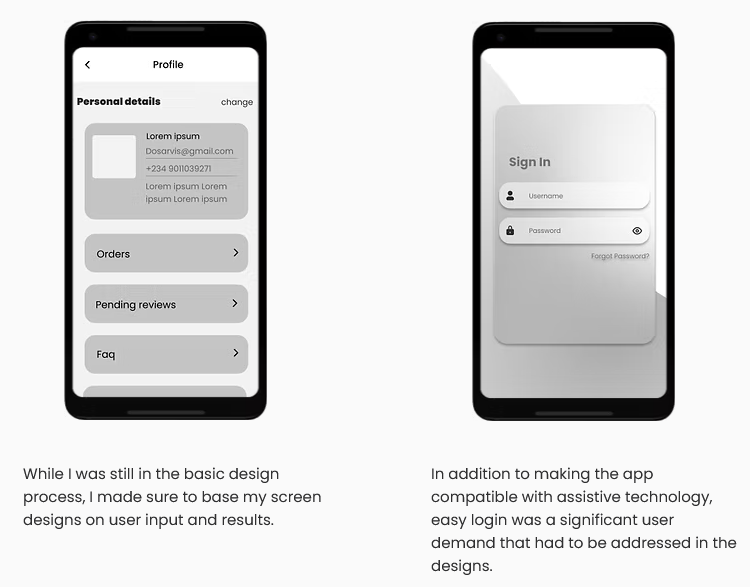
Digital Wireframe
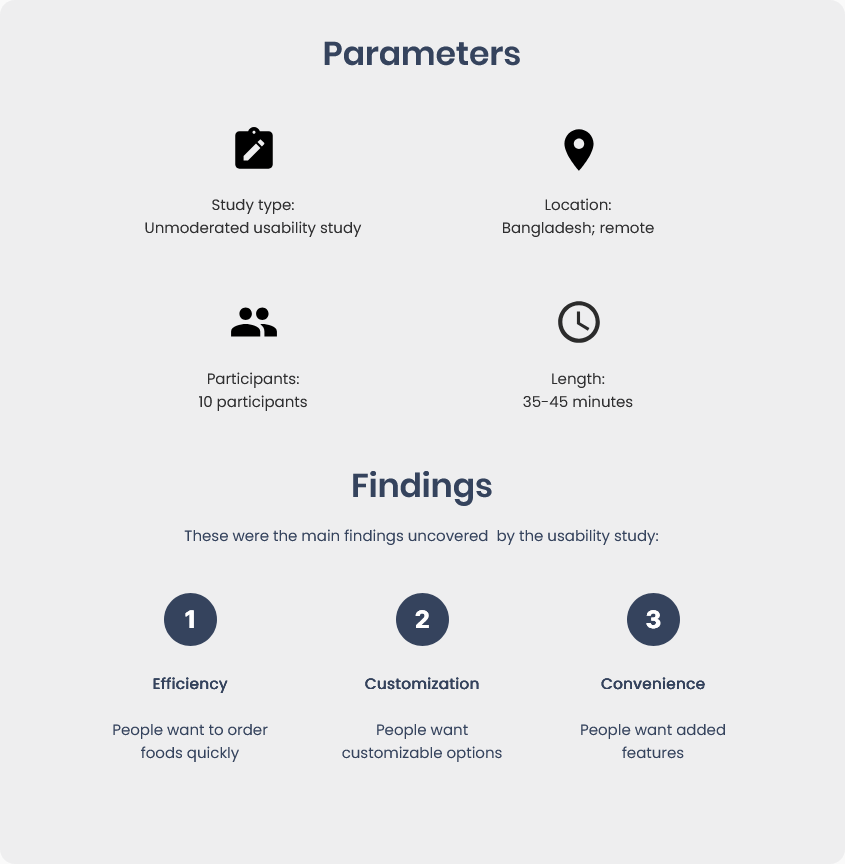
Usability study
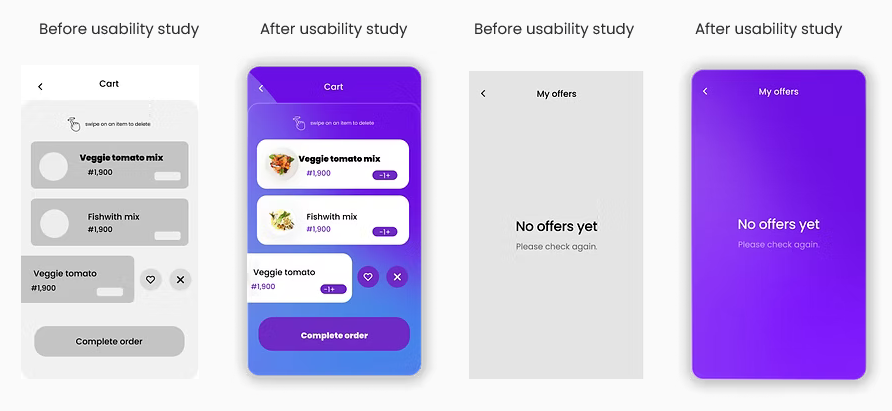
Refining the design
Mockup: From the usability studies, I was able to glean a few useful findings. An add-on function has been placed after the selection of the item as recommendation.
The early designs direct checkouts upon selection. After the usability study, I added the bonus feauture to offer helpful benefits upon purchase.
Delifood: As a designer I developed the product’s beta version was released.
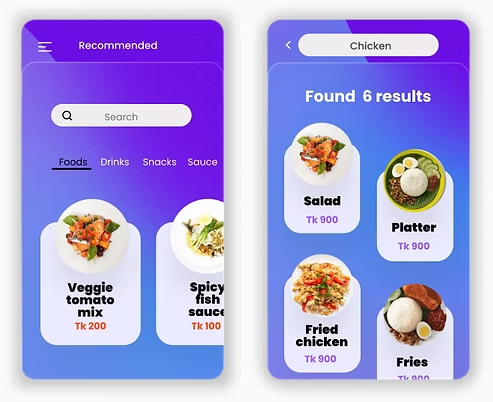
The Challenge: Deli Food was a difficult concept to put into action. Use cases, on the other hand, are simplified. To ensure that the app is simple to use, I had to start by conceptualizing the business, engineering, and design concepts initially, and then it took me about two weeks to complete the design.
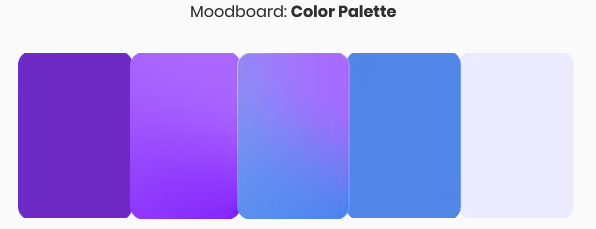
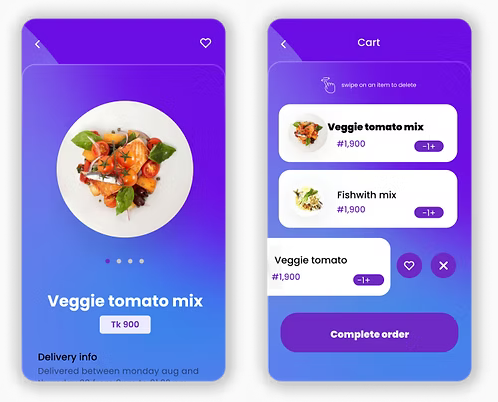
Like most food delivery apps, Deli Food found its home in the marketplace. I designed end-to-end experience of Deli Food across devices; including set up, opertion, help and configuration experiences.
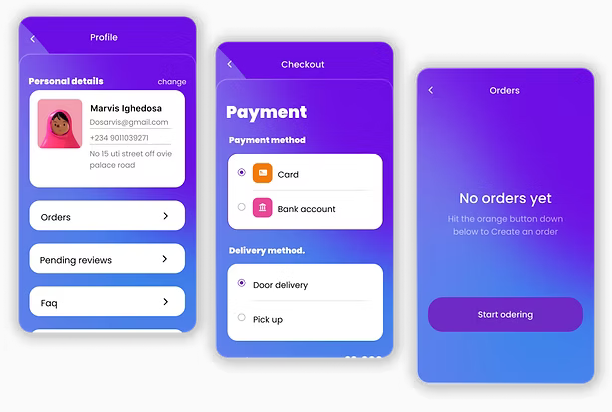
Way through to the end: I improved the app’s design to identify ways to leverage productivity and customer retention in order to achieve the original goal. It was a one-of-a-kind design challenge that required acceptance of the constraints. Successful purchase of the food is achieved in the final stage.
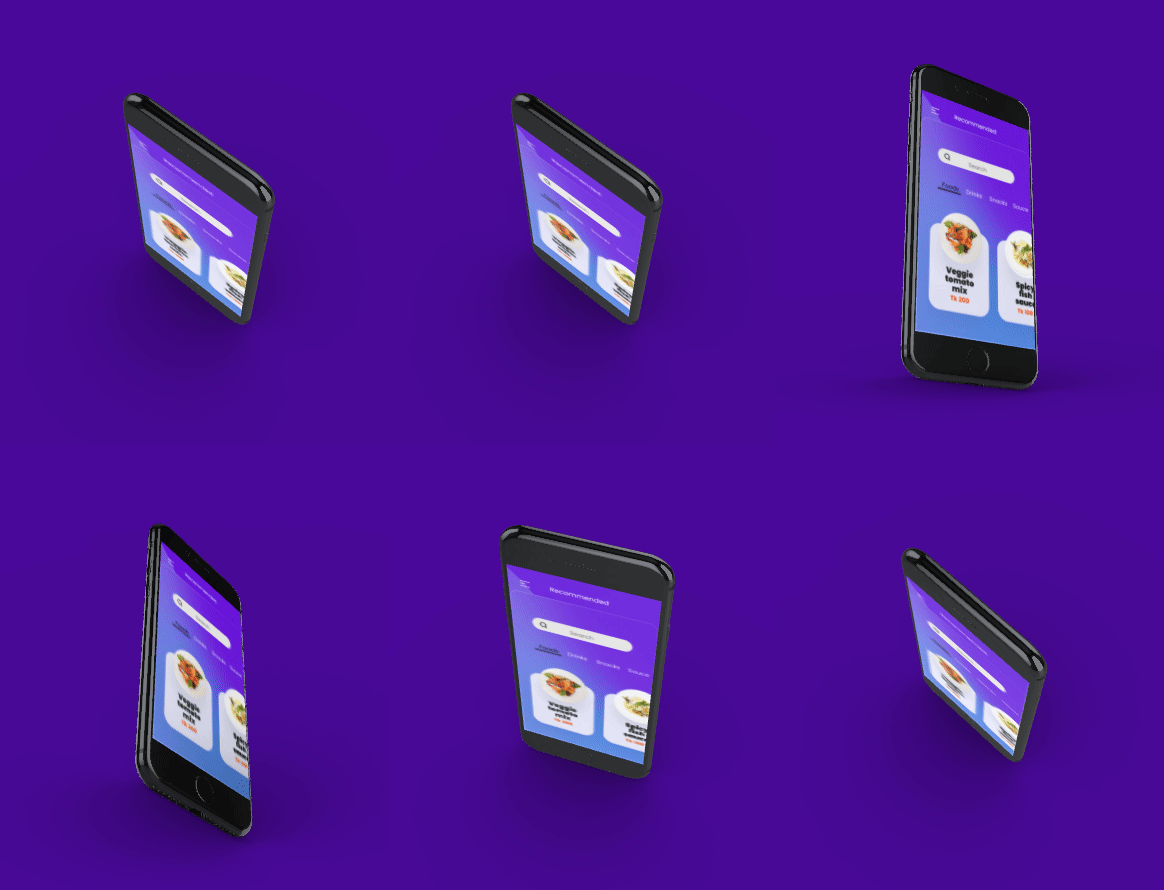
Modern design: Design flexibility enables fast navigation, easy processsing.
Food automation with delis: I oversaw the design of the Deli Food app setup, which occurs in the Deli Food service. App settings and error cases were among the workstreams. Usability testing assisted us in identifying friction areas, allowing us to incrementally polish the UX in beta until it was ready for launch.
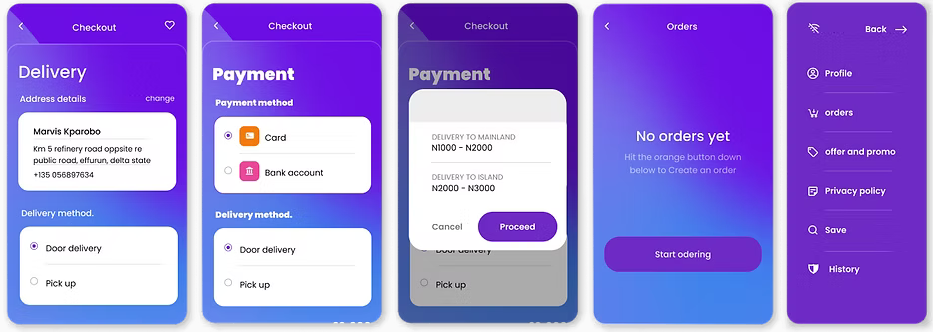
High-fidelity prototype
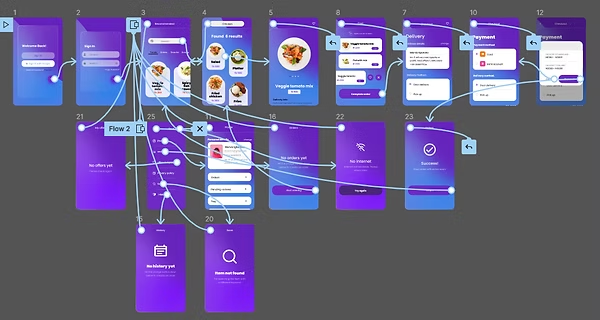
As with the lo-fi prototype, the hi-fi prototype followed the same “select and add” user flow, and incorporated the design modifications made after the usability research was completed.
Accessibility considerations
- Points feature has been included to improve customer retention after a usability research revealed that there was no bonus feature in earlier versions.
- There were no add-ons available in the previous version before to the usability study, so they have been added afterwards.
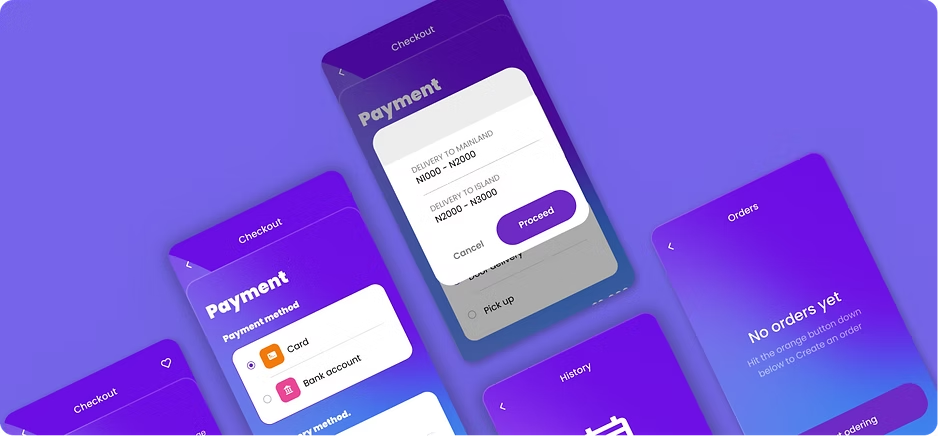
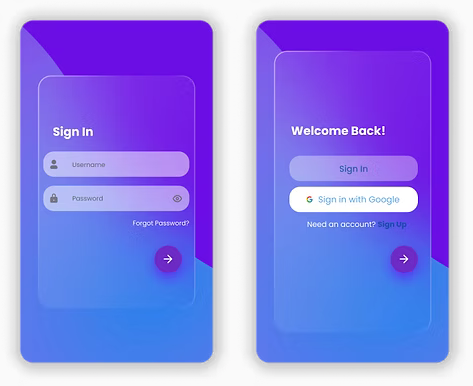
More info: Additional screens that show final design. As the product releases, artworks changed.
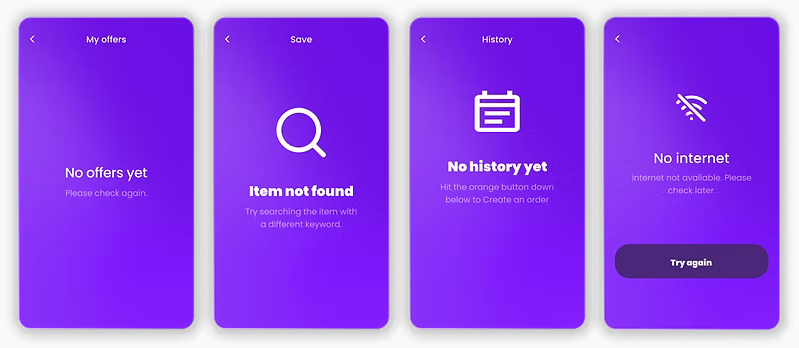
Finished product
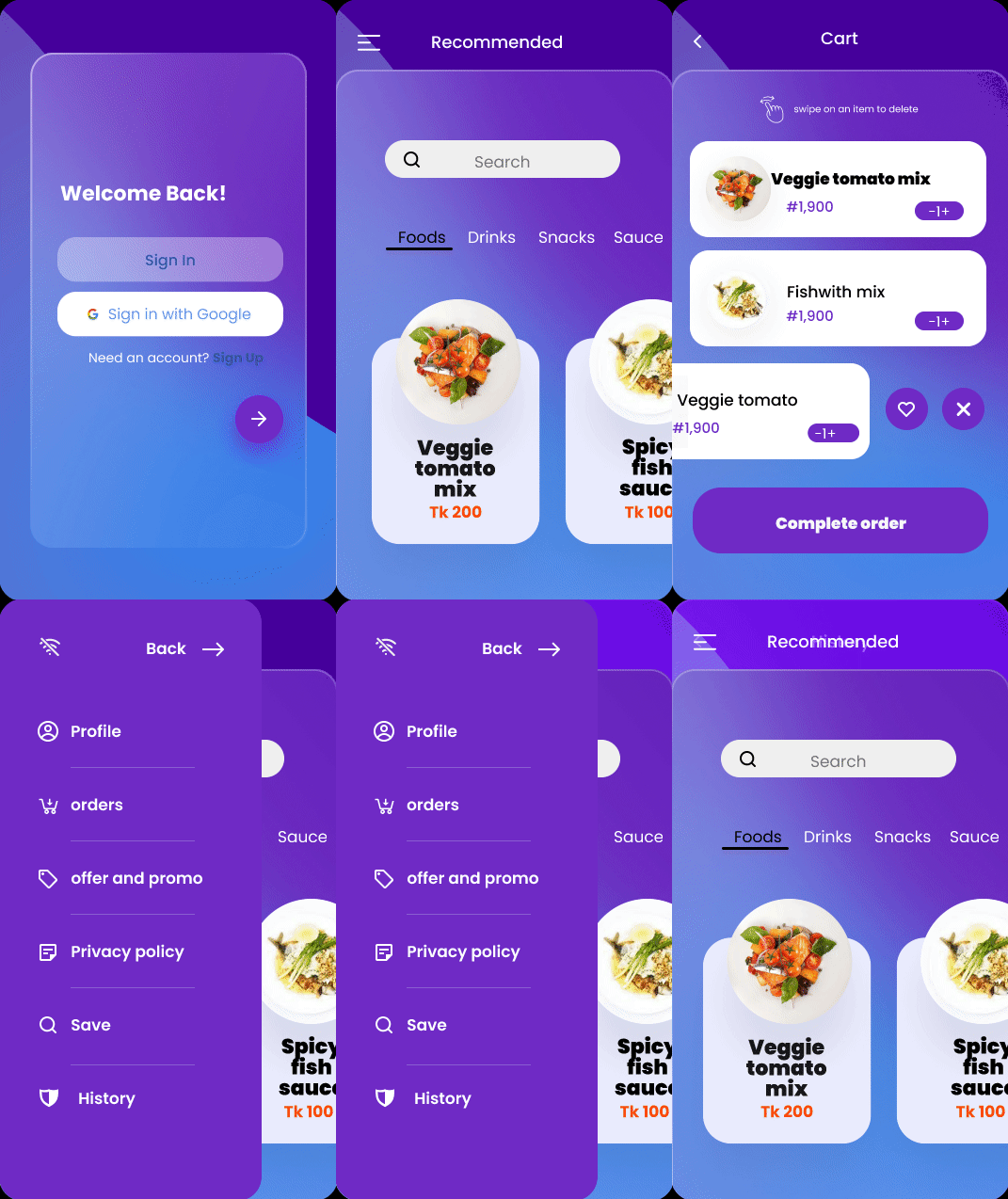
Going forward
Takeaways:
Impact: The app gives users the impression that Delifood is the best food delivery service. According to one user, “For me, the app made it easier to order deliveries! For quick, easy and convenient food order, I’d absolutely use this app from now on.”
What I learned: Designing for the Delifood app taught me that the first ideas are just the beginning of the process. As the app’s design evolved, usability tests and peer input played a vital role in the design process.
Next steps
- Execute a cycle of usability tests to confirm that the users’ difficulty concerns have been properly handled.
- More user studies are needed to examine any new areas of need.